Not sure? Ask a provider.
Request a callback to check provider availability, or send a request and describe your garage door problem. No obligation.
No obligation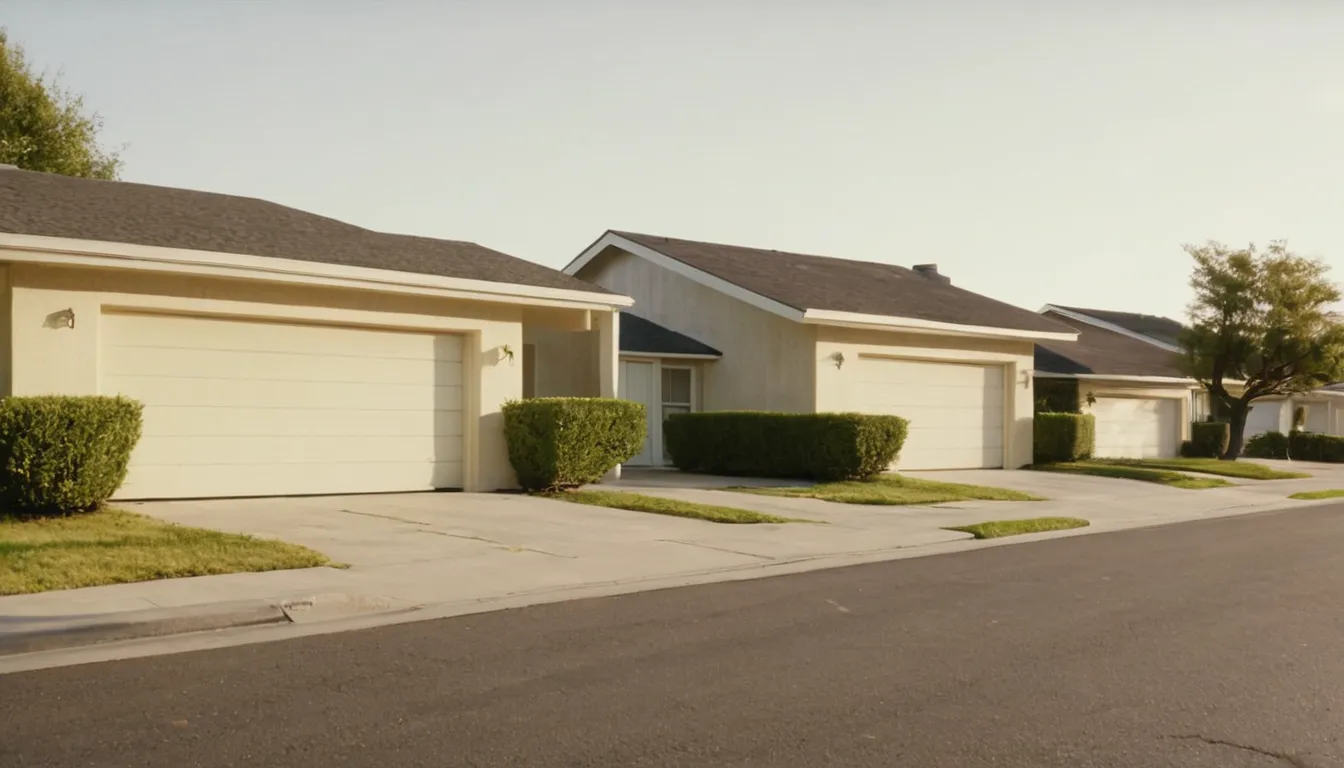
A stuck or noisy door puts you on the spot. Some fixes are simple. Others are risky and should wait for a professional. This page for Crestline homeowners sorts the two, clears up common myths and explains how to document damage. Chemicaldaughters Garage Doors is a referral service. When you decide to call, we connect you with an independent local provider who does the work.
First, stay calm. Most garage door scares are less dramatic than they feel. Use this split to decide your next step in Crestline.
If your problem is on the second list, stop and keep everyone clear of the door.
Myth: If the door still moves, nothing is wrong.
Fact: A door that still moves can be running on a weakening spring or a misaligned track. Wear builds quietly.
Myth: A loud opener means the opener is dying.
Fact: Noise often comes from dry rollers, loose hardware or a door that is out of balance. The opener is sometimes just working too hard.
Myth: Dry weather is easy on a garage door.
Fact: Long dry seasons can strip grease from moving parts. Winter rain events can then bring rust. Smoke seasons add fine ash to tracks.
Myth: Springs are safe to adjust with basic tools.
Fact: Springs are under serious tension. Leave them to a trained provider.
Request a callback if any of these facts describe your door.
Some policies may cover sudden damage, such as a car bumping the door or a fallen tree limb. Wear and tear is usually treated differently. Check your policy, and ask your insurer what applies. Nothing here is a promise of coverage.
Providers can often help document damage for a claim. Whatever happens, you can start the paper trail yourself:
1. Take clear photos of the door, tracks and any broken parts before anything moves. 2. Note the date and what you were doing when the problem appeared. 3. Keep every part that was removed, if the provider says it is safe. 4. Ask for a written quote and an itemized invoice. 5. Save the opener and door model details if you can find them.
Homes in Crestline range from older bungalows to stucco ranch houses, so original door details can be hard to track down. Photos of labels and manufacturer stickers help.
Keep the questions short. Ask them before you agree to anything.
Typical U.S. costs vary by job. Spring work often falls near $150 to $400, and a new opener installed often falls near $250 to $700. A written quote shows your actual number.
Providers set their own terms. Chemicaldaughters Garage Doors does not perform repairs, so confirm each detail with the provider you speak to.
Do the safe checks. Take photos. Then reach out. Chemicaldaughters Garage Doors helps you reach an independent provider in our network, and you choose whether to book. There is no obligation.
Simple checks like cleaning tracks and testing sensors are fine. Springs, cables and bent tracks belong with a trained local provider.
A moving door is not always a healthy one. Knowing the facts helps Crestline homeowners act before small wear becomes a larger repair.
Photos, dates and written quotes make any insurance conversation easier. Providers can often help document damage, and you check your own policy.
Chemicaldaughters Garage Doors cuts the searching and connects you with an independent provider serving Crestline, with no obligation to book.
Request a callback to check provider availability, or send a request and describe your garage door problem. No obligation.
No obligationRequest a callback to check provider availability, or send a request and describe your garage door problem. No obligation.
No obligation